
Mastering Web Analytics A Comprehensive Guide for Beginners
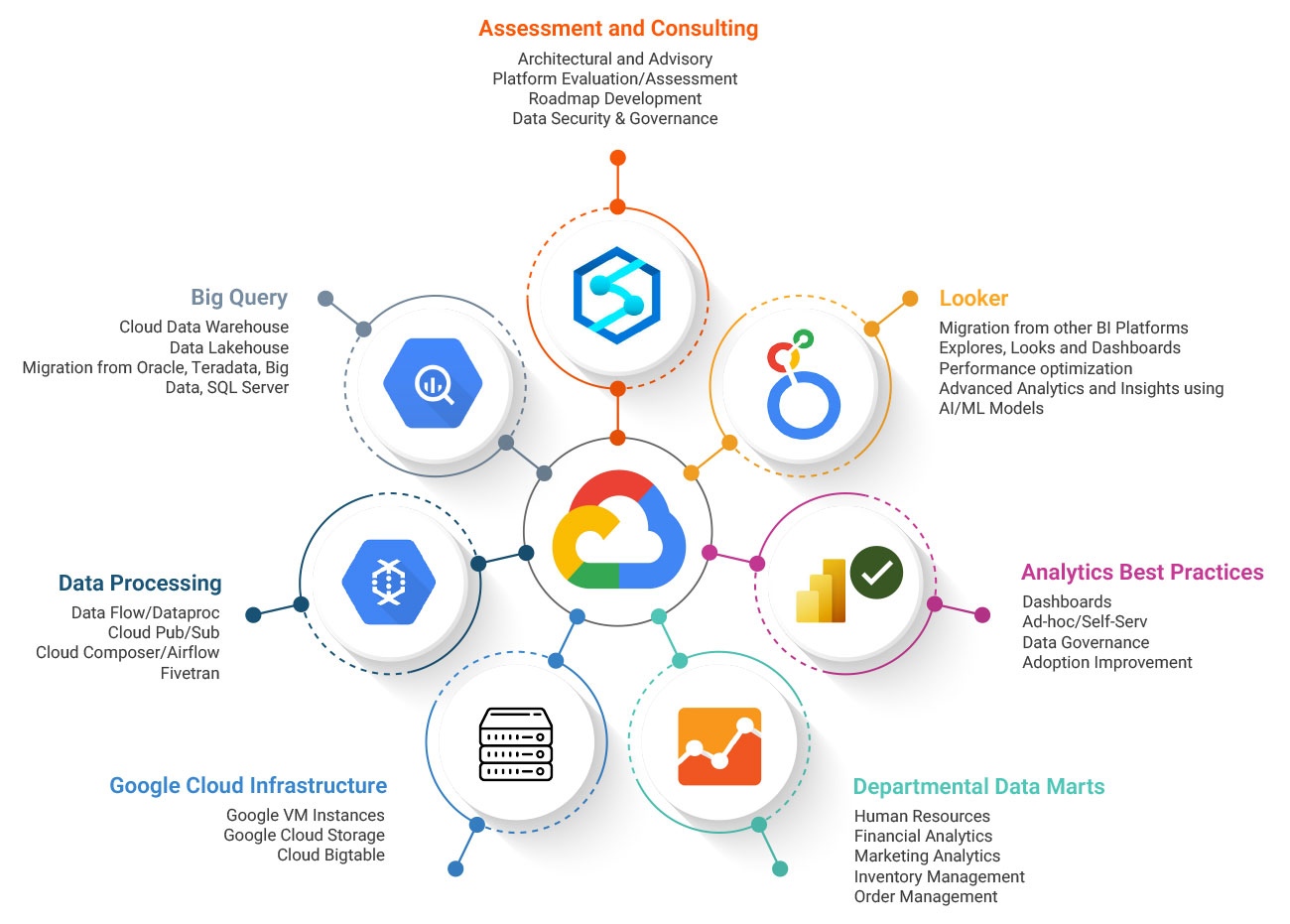
In the digital age, understanding web analytics is crucial for any business looking to thrive online. By analyzing website data, you can unlock valuable insights into your audience’s behavior, improving your marketing strategies and overall user experience. If you’re interested in enhancing your skills in this area, this guide will navigate you through the essential aspects of web analytics, allowing you to become proficient in this vital discipline. For more resources, check out learn web analytics https://accs-net.com/.
What is Web Analytics?
Web analytics involves the collection, analysis, and reporting of data related to website usage. It provides measurable data that helps understand how users interact with your site, which is crucial for making informed decisions. The core goal of web analytics is to improve the effectiveness of your website in achieving business objectives.
Why is Web Analytics Important?
The importance of web analytics can’t be overstated. Here are several reasons why web analytics matters:
- Understand Your Audience: Analytics help you identify who is visiting your site, what they are looking for, and how they behave online.
- Measure Marketing Performance: Evaluate how well your marketing campaigns are performing and make adjustments based on data-driven insights.
- Optimize User Experience: By analyzing how users interact with your site, you can pinpoint areas for improvement, leading to a better user experience.
- Track Conversions: Measuring conversions and goal completions allows you to assess the effectiveness of your website in driving sales or leads.
Key Metrics to Monitor
To effectively leverage web analytics, you need to focus on several key metrics that provide a holistic view of your site’s performance:

- Traffic Sources: Understand where your visitors are coming from, whether it be organic search, social media, or paid ads.
- Bounce Rate: This metric shows the percentage of visitors who leave your site after viewing only one page. A high bounce rate may indicate a lack of relevant content.
- Session Duration: Monitoring how long visitors stay on your site can help you gauge their engagement and the effectiveness of your content.
- Conversion Rate: The percentage of users who take a desired action (such as filling out a form or making a purchase) can provide valuable insights into your site’s performance.
Tools for Web Analytics
Several tools can assist you in collecting and analyzing web analytics data. Here are some of the most popular:
- Google Analytics: A free tool that provides robust analytics for websites. It offers a range of reports and features for analyzing user behavior, traffic sources, and conversion tracking.
- Adobe Analytics: A powerful paid tool that allows for deep data analysis and seamless integration with Adobe’s marketing cloud.
- Matomo: An open-source analytics tool that can be hosted on your server, giving you complete control over your data.
- Clicky: A user-friendly analytics tool that offers real-time data and insights into visitor behavior.
Implementing Web Analytics on Your Site
Getting started with web analytics involves several steps:
- Choose your tools: Select the analytics tool that best fits your needs based on the size of your business and the complexity of your analysis.
- Set Up Tracking: Install tracking codes on your website. For example, if you’re using Google Analytics, you will need to add a JavaScript tracking code to your site’s HTML.
- Define Goals: Establish measurable goals for your website (e.g., sales, sign-ups) to monitor performance over time.
- Run Reports: Regularly generate reports to see how your website is performing and gain insights into what works and what doesn’t.
- Optimize: Based on the analytics data, continually refine your website and marketing strategies to improve performance.
Common Mistakes in Web Analytics
While web analytics can be highly valuable, there are common pitfalls to avoid:
- Ignoring Data: Collecting data is only half the battle; you must analyze and act on it to see any benefits.
- Focusing on Vanity Metrics: Metrics like page views can be misleading if not contextualized. Focus on metrics that align with your business objectives.
- Failing to Segment Data: Analyzing data as a whole can obscure valuable insights. Segment your data by demographics, traffic sources, or user behavior for a clearer picture.
Conclusion
Learning web analytics is a valuable investment for anyone serious about enhancing their online presence. By understanding your audience, measuring your marketing efforts, and using data to inform your decisions, you can make significant improvements to your website and ultimately drive more business success. Start by exploring the tools available, implementing tracking, defining your goals, and continuously optimizing based on data insights. Whether you are a small business owner or part of a larger marketing team, mastering web analytics can open the door to a new level of awareness and effectiveness in your online strategies.
